
Patteson Bird Sanctuary
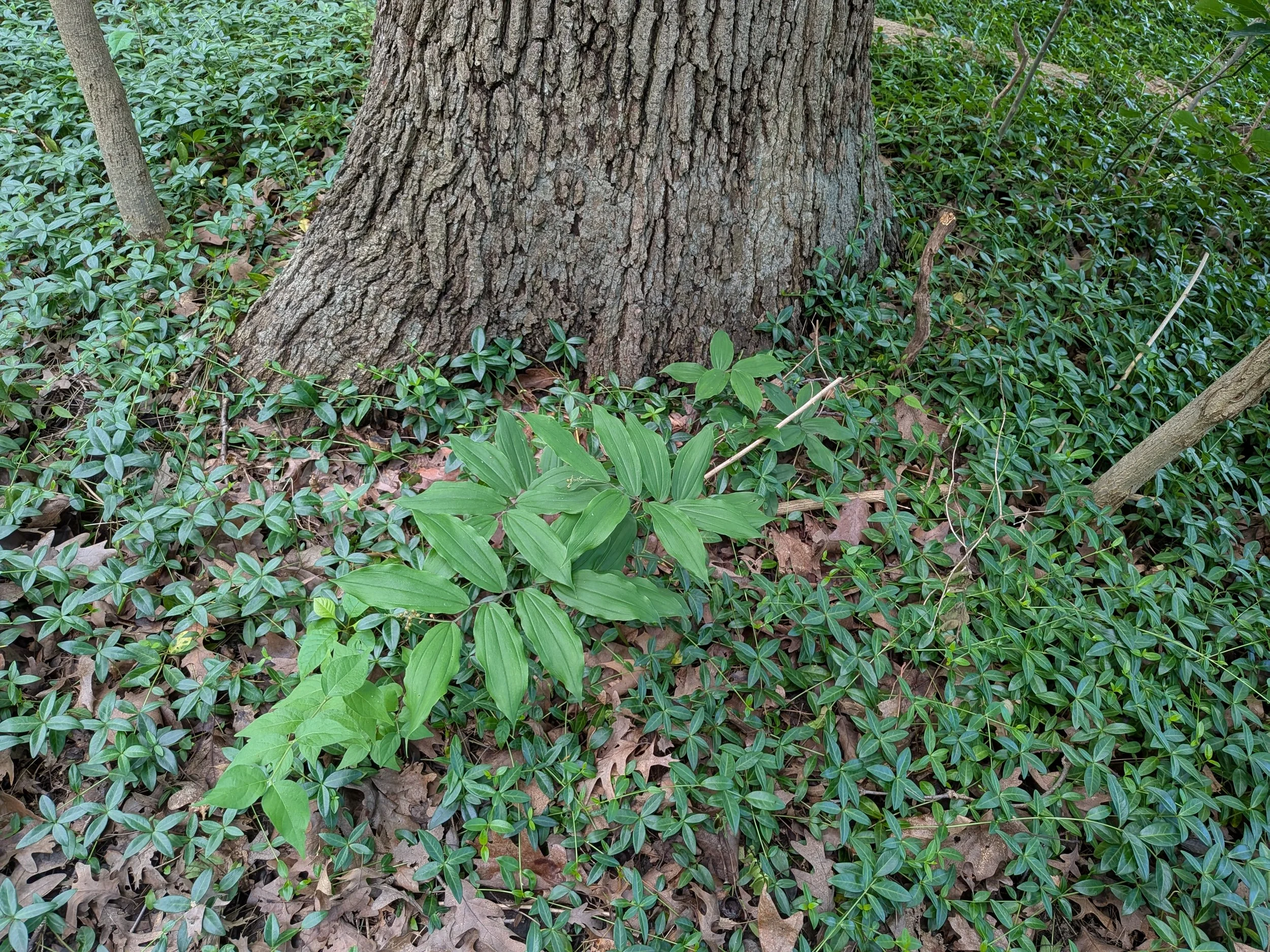
You know how it goes...you start pulling vinca in 2025 with a bunch of volunteers at Lower Lake and just like all of the interconnected vines you pick up one detail at the site and before you know it you've pulled threads to a fascinating story of a Swiss immigrant born in 1853 whose life is connected to the Shaker Wild Flower Garden and Bird Sanctuary where we are working; the Greater Cleveland Audubon Society; the art museum's lagoon garden; John D. Rockefeller; Forest Hill Park; cats; and, most prominently, birds.
Thank you to Sarah Wean for introducing us to Louise, the Cleveland Bird Club, and Spirit of Spring with this Plain Dealer article of Spring, 1924!
(A brief history and timeline of Lower Lake park after European colonization is here.)
This story begins in 1867 when 14-year old Luise Griesser, her younger stepbrother Robert, and stepmother Regula arrived in America from Switzerland to join her father Jacob. Luise’s baptismal certificate was lost during their travels, and she decided to rename herself after her deceased mother Susanna and Americanize Luise by adding an “o”, becoming S. Louise Patteson after her marriage to George Wilson Patteson in 1880. Her son, Griesser Wilson Patteson, was born in 1883. Her husband disappeared two years later, and she became a single parent.
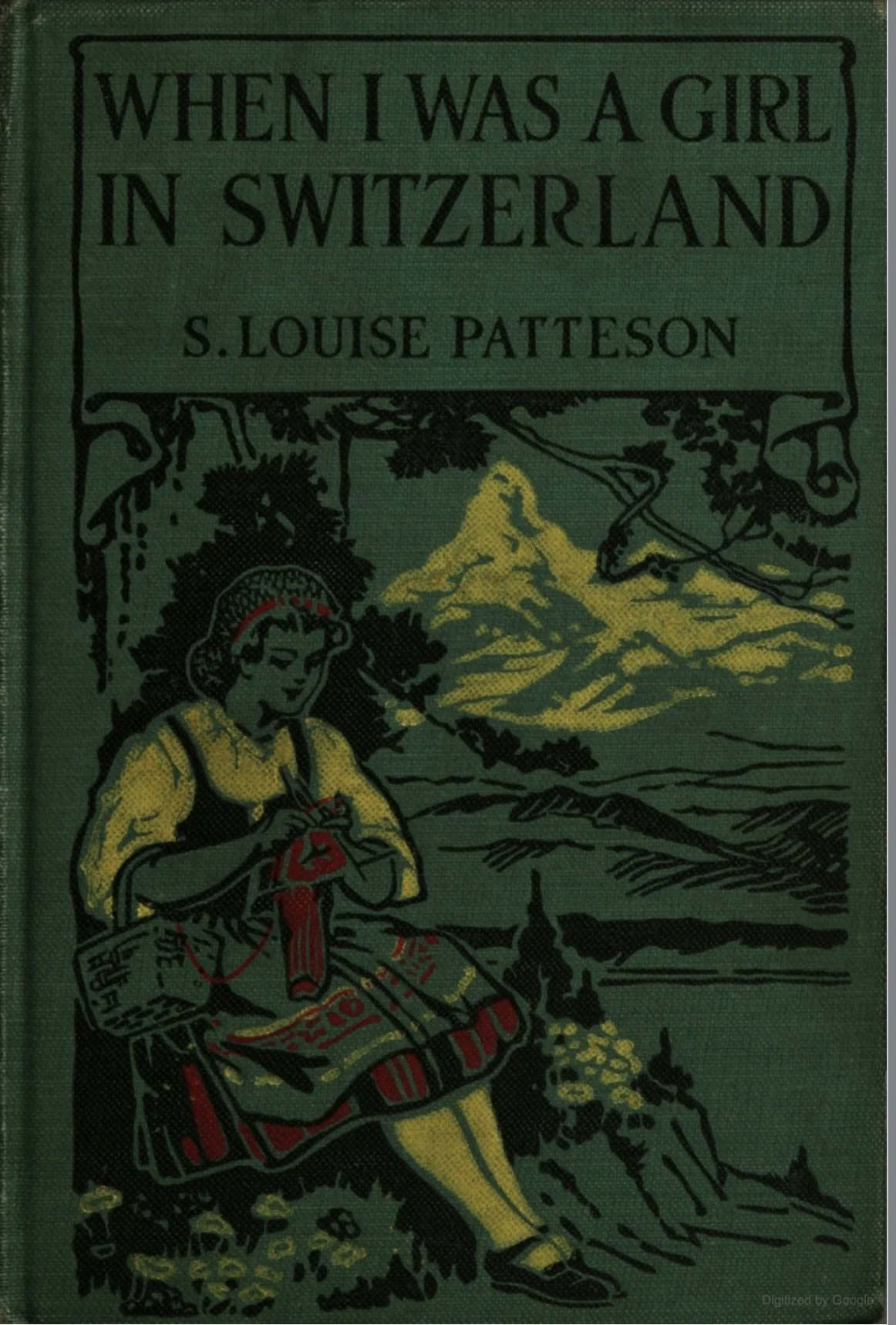
According to her autobiographical account in When I was a Girl in Switzerland, Louise had been well-educated through high school in Switzerland through the progressive Pestalozzi methods whose motto was "Learning by head, hand and heart". She learned French in addition to her native Swiss dialect, and English when her family prepared to emigrate to America for economic reasons.
Read this book on Google (link above)
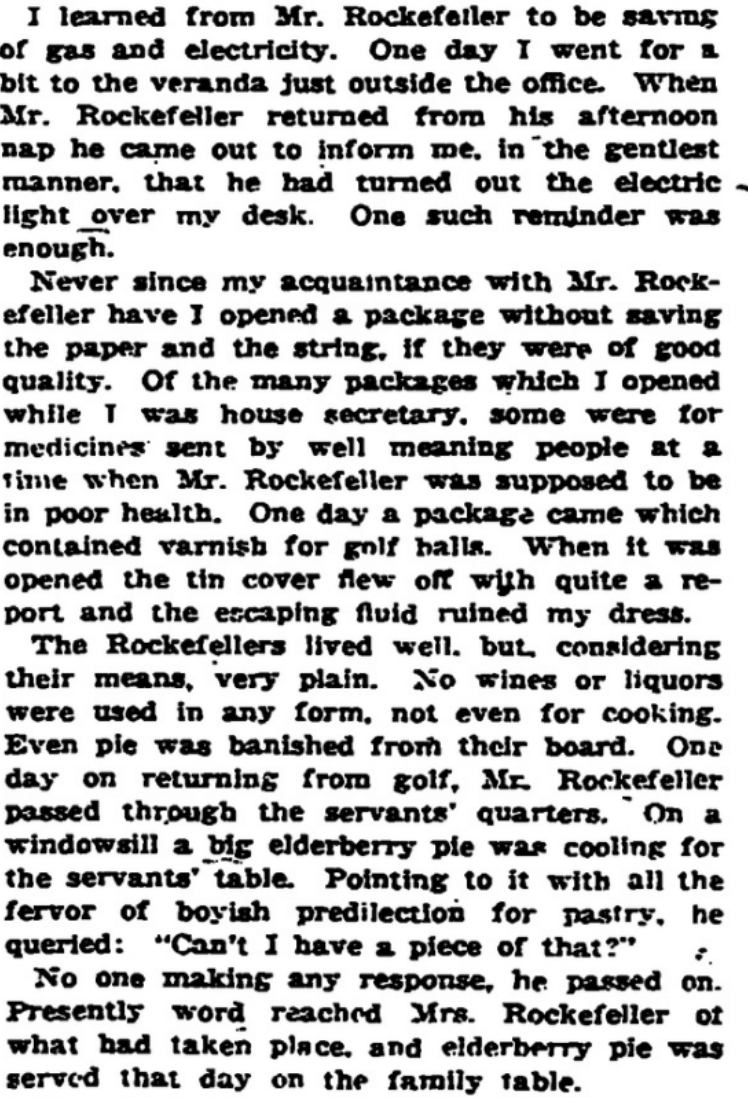
In America her father expected her to contribute to family income. Skilled needlework had been part of her education and she intended to work as a seamstress but instead became a telegraph operator at the Standard Oil Headquarters, and learned stenography there. In the middle 1870s she became a summer secretary for John D. Rockefeller at his Forest Hill Park estate. She wrote a charming account of her time with the family, published here.
She became a highly regarded court stenographer as reported in this 1895 article, authoring Patteson's Pitmanic Phonography in 1895. She retired from the strenuous occupation in 1902 to be a self-employed teacher at Mrs. Patteson’s Shorthand School.
Excerpt from Plain Dealer article 1922.02.12
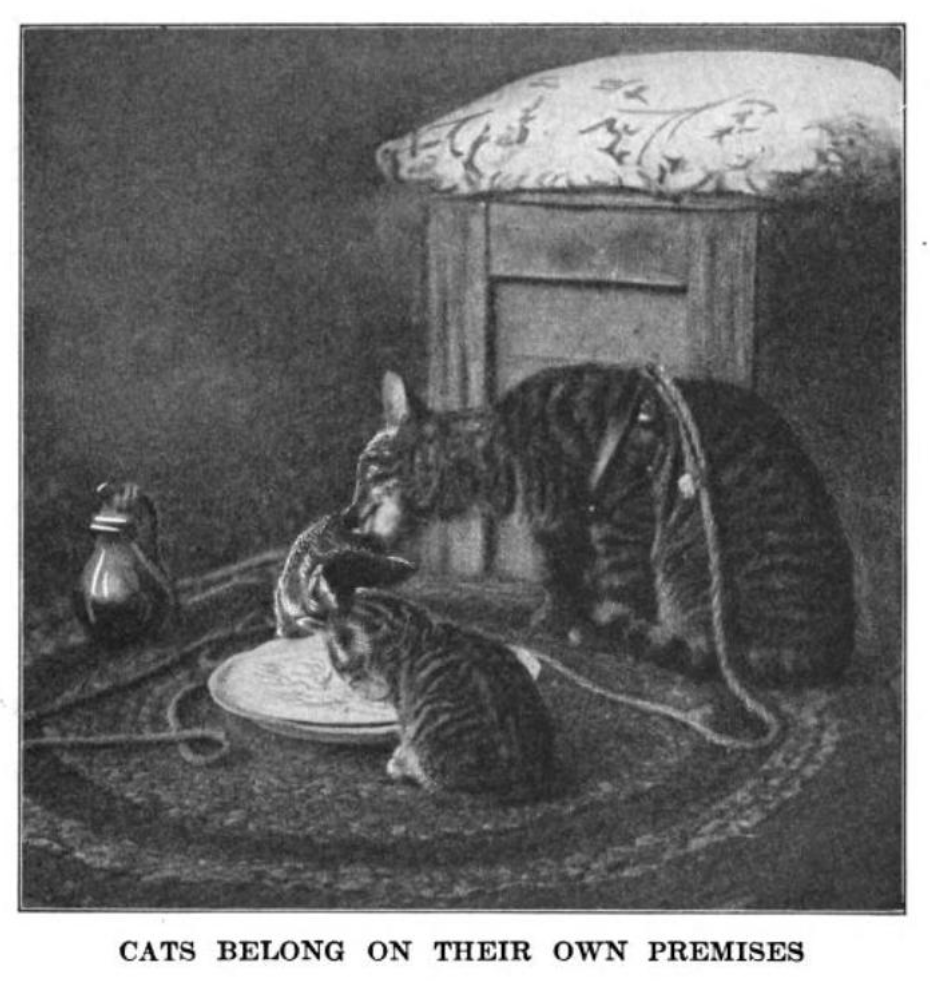
But her real passion was nature, and her “spark bird” was cats. (For the uninitiated, a “spark bird" is usually a particular bird or experience that first sent you birding.) Louise fed and took care of stray cats, and she saw them stalking birds coming to the water she had set out. First she learned the names of two birds, the robin and the English sparrow, and in time she could identify more than 200 birds. She wrote an article about bird architecture in 1914 for School Arts Magazine, and in 1917 How to Have Bird Neighbors was published.
Photo from How to Have Bird Neighbors
According to a 1961 Plain Dealer article, around 1909 Louise lived in a house on land owned by A.M. McGregor, the president of Standard Oil. Her home was at Lee Road and Euclid Avenue in East Cleveland, and she often climbed the hill to the Taylor Farm woods birdwatching with her camera. She asked permission to install discarded wooden voting booths in the forest for a cabin, and spent at least ten summers there, April through October, at what she calledWaldheim, Home in the Woods, observing the natural world, hosting birdwatchers, writing books and articles, and living her dream.
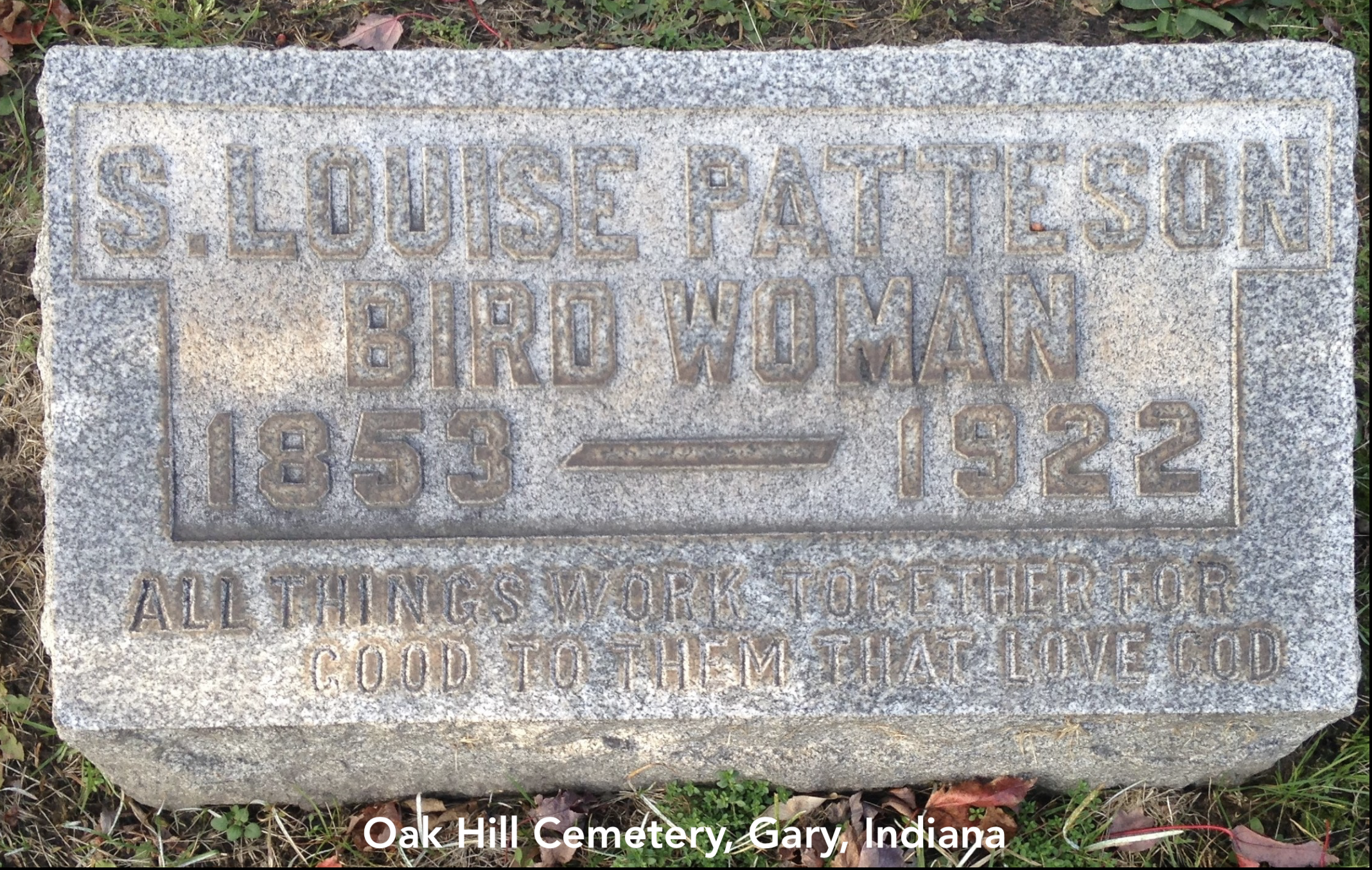
She died in Gary, Indiana, where her son and his family resided, in 1922. After her death her many Cleveland friends honored her by establishing the Patteson Bird Sanctuary in the Shaker Wild Flower garden that had been established on the southwest corner of Lower Lake by Cleveland ordinance in 1921. They commissioned a bronze sculpture by noted Cleveland artist Frank Jirouch, and installed it in the Bird Sanctuary in 1929.
con’t
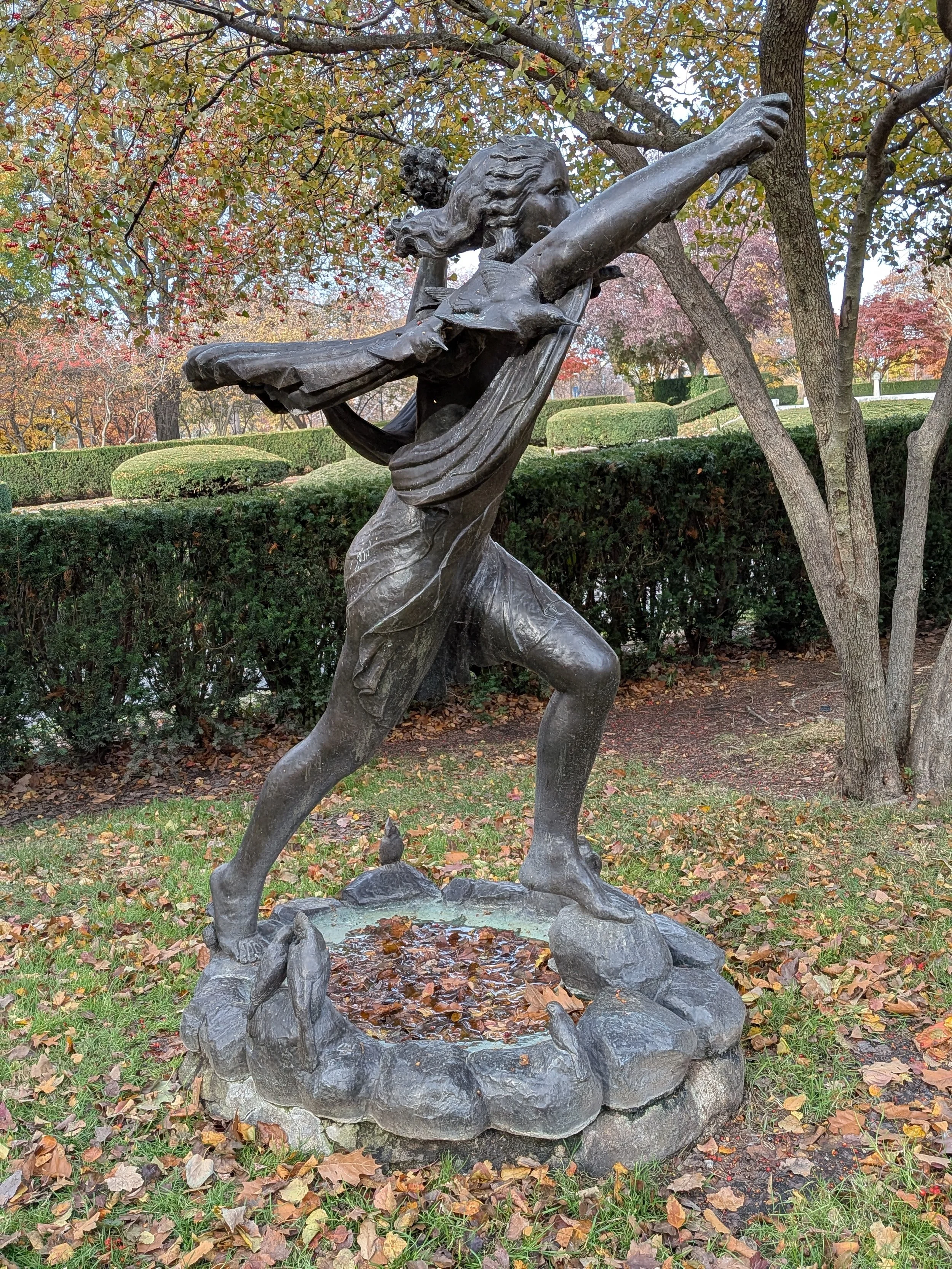
“Spirit of Spring” is a representation of a young woman running with her cape flying behind her, creating a shelf for bird seed. At her feet is a bird bath once connected to a water source. In her left hand she carries flowers, but in her outstretched right hand is a broken wand. Sixteen different resident and migratory species of birds sit on the sculpture. After the sculpture was vandalized in the Sanctuary it was given by the Cleveland Bird Club to the City of Cleveland in 1939, and is located in Cleveland’s Wade Park Fine Arts Garden on the East Boulevard side of the lagoon under a grove of hawthorns. Spring is running north, bringing migrating birds through the Mississippi flyway.
more photos here
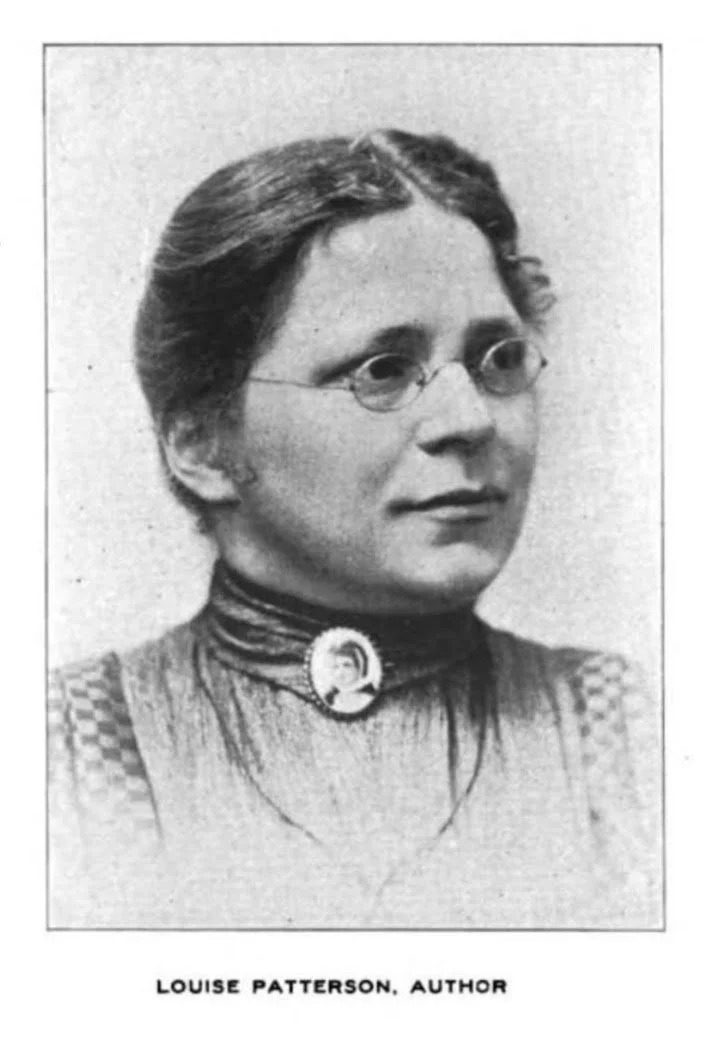
The S. Louise Patteson Memorial Association loosely formed by her friends in 1922 was renamed the Cleveland Bird Club by 1928; the Cleveland Audubon Society in 1952; and The Audubon Society of Greater Cleveland in 1985.
Louise Patteson was an immigrant and American citizen; writer and photographer; a working woman when it was not common; a single parent; a self-taught naturalist; a political activist on behalf of women’s right to vote and other progressive causes; and altogether a prominent and popular woman who was a protector, educator, and evangelist for birds—and indoor cats.
More to come!